
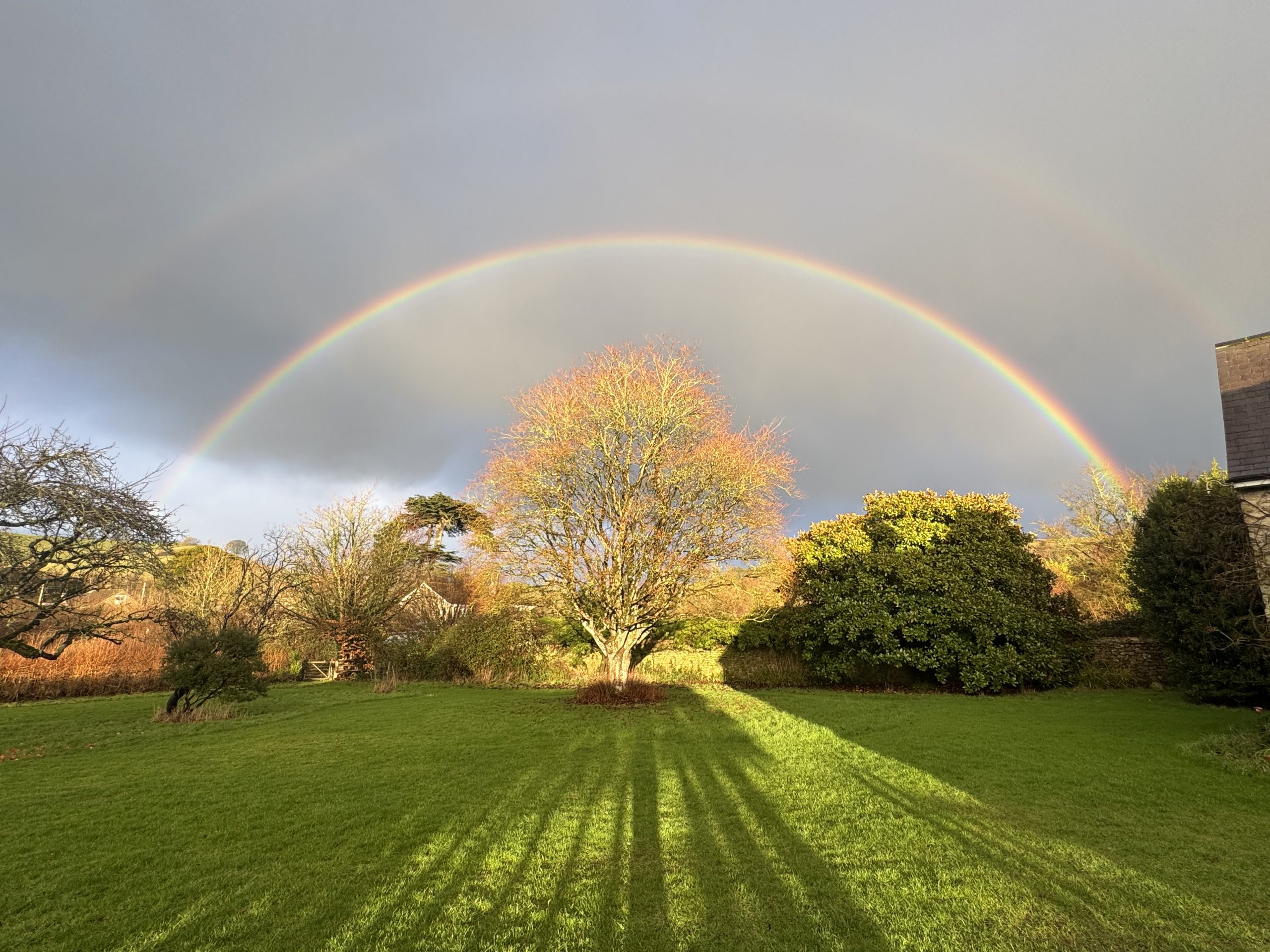
We are calling our strategy paper our ‘North Star’ paper* – the thing that will set out our intention as to where we want to be as an organisation. It’s a phrase used in a workshop which has really captured people as a way of expressing a direction and intention but still leaving space for us to evolve collaboratively towards it. It’s in progress now and after what I am sure will be a lot of discussion we will publish it in the Spring, which feels appropriate.
Our North Star needs to represent both ruthless pragmatism and radical hope. There are some big shifts in what we need to do and those need to be made in a human and kind way if we are going to get to a place which is more resilient and sustainable for us and for our communities. Love is fierce and that’s what we need to be.
Some of the shifts we need to make are very much rooted in public service; better coproduction with communities, prevention at scale and deep modernisation of technology and practice. Some of this I wrote about in my last post. Other shifts are more in response to bigger change and what a modern workforce needs to thrive; how we become more inclusive internally and externally, how we provide an environment where learning is embedded in how we work as a way to underpin a more adaptive organisation, how we make hybrid working genuinely work for people.
None of these ideas are new or unique and each of them are already present in parts in Dorset Council as they are in other councils but doing them together and with a clear intent singular intention is what I think is different. As I said previously:
There is a need to have a shared view of context to make this kind of change and I have been reflecting that the real work is sitting underneath the North Star. Central to the work is a rejection of an industrial model of work and its substitution with something that is at its heart deeply relational. This is not to say that we don’t need to be measured and accountable (remember love is fierce) but we need to look beneath the process to find the purpose and the output to find the outcome.
In my feeds from various sources comes a sense of the need for two ‘remakings’. I use this term rather than reframe or reimagine as it’s a much more active need. We need to remake our approach to the process of government and, even more fundamentally, we need to remake the connection between the state and our economy.
For local government that brings a need (and opportunity) to finally sweep away new public management and define an approach which is more integrated and systemic, capable of properly addressing the challenges of wicked issues not just their symptoms. For our economy, we need to make sure it is helping to address those wicked issues rather than making then worse.
Both of these things require us to properly reflect the age we live in with technology intertwined deeply with social change. We in the West are used to democracy being the instrument that drives social change but unless we can govern the technology we depend on we cannot believe this still to be true.
If the debate about social media bans for children tells us anything its that our social interactions are currently being driven by the needs of the market rather than the needs of the state or society.
As I think my way into what it means to remake our state and our economy I am struck by a few things:
- The need for public services to see ourselves as economic actors
- The need for interventions to tend towards inclusive rather than extractive economic growth
- The need for modernisation to be driven by people and their skills not by the purchasing of technology
We are a long way from wrestling control of our technology from the markets and a few powerful individuals but if we can become more sighted on the need to then perhaps that flows from that. As someone with a profound belief in the need for a properly public digital public sphere and loved experience of the difficultly of funding social and democratic digital infrastructure I have to travel in hope on this one.
Returning to the North Star, I think it is resonating with people because anyone who has worked in public service over the last 20 years is yearning for this deeper renewal that will work across political cycles and the noise generated with annual settlements and ministerial churn. We know there is deep and slow work to be done and we want to get on with it.
The three year settlement for Local Government provides a small window for us to make a bigger shift, one which creates a state which is more in tune and responsive to our times. The deeper work I reference here will need to run underneath the a focus on prevention, community and modernisation but it should be a unifying force across multiple agendas and help remake the perpetual purpose of local government as long term stewards of place in a way which feels relevant for the world today.
- I am quietly amused by this as Adur and Worthing soundly rejected this as language – showing the communication really is deeply contextual.



Leave a Reply